
Commercial Epoxy Flooring
in Perryville, MO
A coating system picked for what your business floor actually faces: the amount of traffic, the substances that hit it and the conditions it has to perform under.
Your Floors Should Work as Hard as Your Business Does
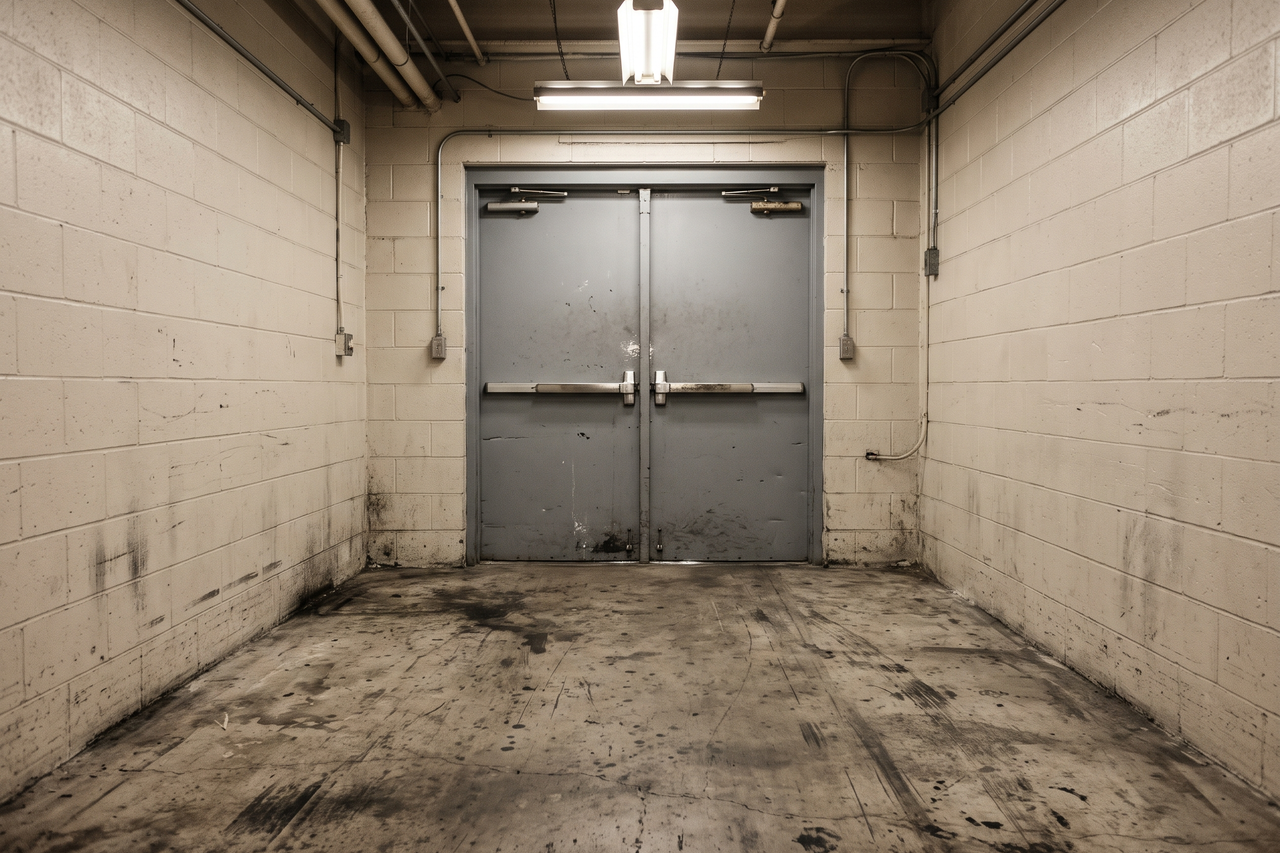
Business floors absorb a kind of repeated wear that ordinary concrete rarely sees. Entrances, register areas and main aisles carry a steady stream of shoes and carts every time the doors are open. Equipment travels the same routes again and again, wearing down the same spots. Bare concrete under all of that soaks up whatever reaches it, and the floor slowly deteriorates.
Customers size up a business before they ever reach the counter. Scuffed walkways, stains near the register and crumbling patches at the entry say something about the place even when nobody is consciously looking down. That message gets sent whether you intend it or not.
Unsealed concrete in a busy business also gets harder to clean as it ages. Tiny cracks and rough spots from constant use hold onto grit that a mop cannot fully reach. Staff spend more effort on the floor and get less for it.
The Right Floor Starts With Understanding Your Space
Business floors face very different demands. An auto repair shop, a clinic hallway, a retail sales floor and a restaurant prep kitchen each deal with their own mix of traffic, cleaning products, spill types and cleaning frequency, and each relies on the look of the floor to a different degree.
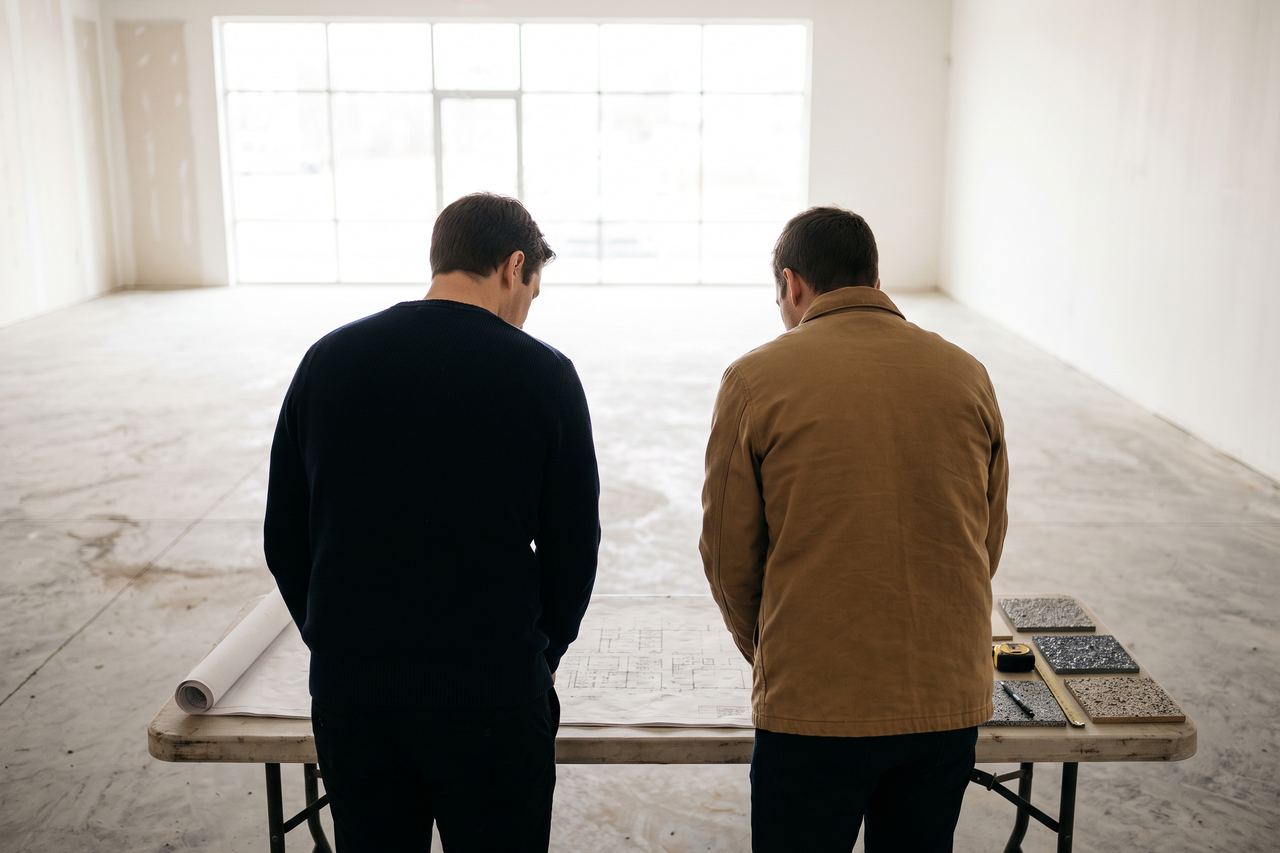
The flooring professional starts by learning how the floor works day to day: what kinds of traffic and loads cross it, which cleaners and chemicals touch it regularly, how much its appearance affects customers and whether access to the space needs to be planned around. The coating recommendation grows out of that review rather than a one-size-fits-all default.
Commercial coating options cover a wide range of settings. Solid color is a practical fit for service and utility areas. Flake systems add texture and visual interest. Metallic finishes suit sales floors and client-facing rooms where the floor helps set the tone.
A Commercial Flooring Project Without the Guesswork
A commercial coating job follows a clear path from the first conversation to the finished floor. Here is what that path usually looks like.
01
Tell Us About Your Property
Describe the type of business, how the floor gets used on a normal day, the current condition of the concrete and any access considerations your installer should know about.
02
Get a Flooring Plan
The flooring professional visits the property, inspects the concrete, watches how the space operates and puts together a prep and coating plan tailored to that floor and its use.
03
Transform Your Space
Your installer carries out surface preparation and coating following a sequence reviewed with you ahead of time. How the work is scheduled and phased depends on the project and the contractor, including the floor area, the system chosen and what the inspection uncovers.
Planning a Commercial Flooring Project?
Tell us about the space and what the floor has to withstand to request a commercial flooring estimate. If you have measurements or photos of the current floor, include them as well.
The Wrong Floor Can Become an Expensive Problem
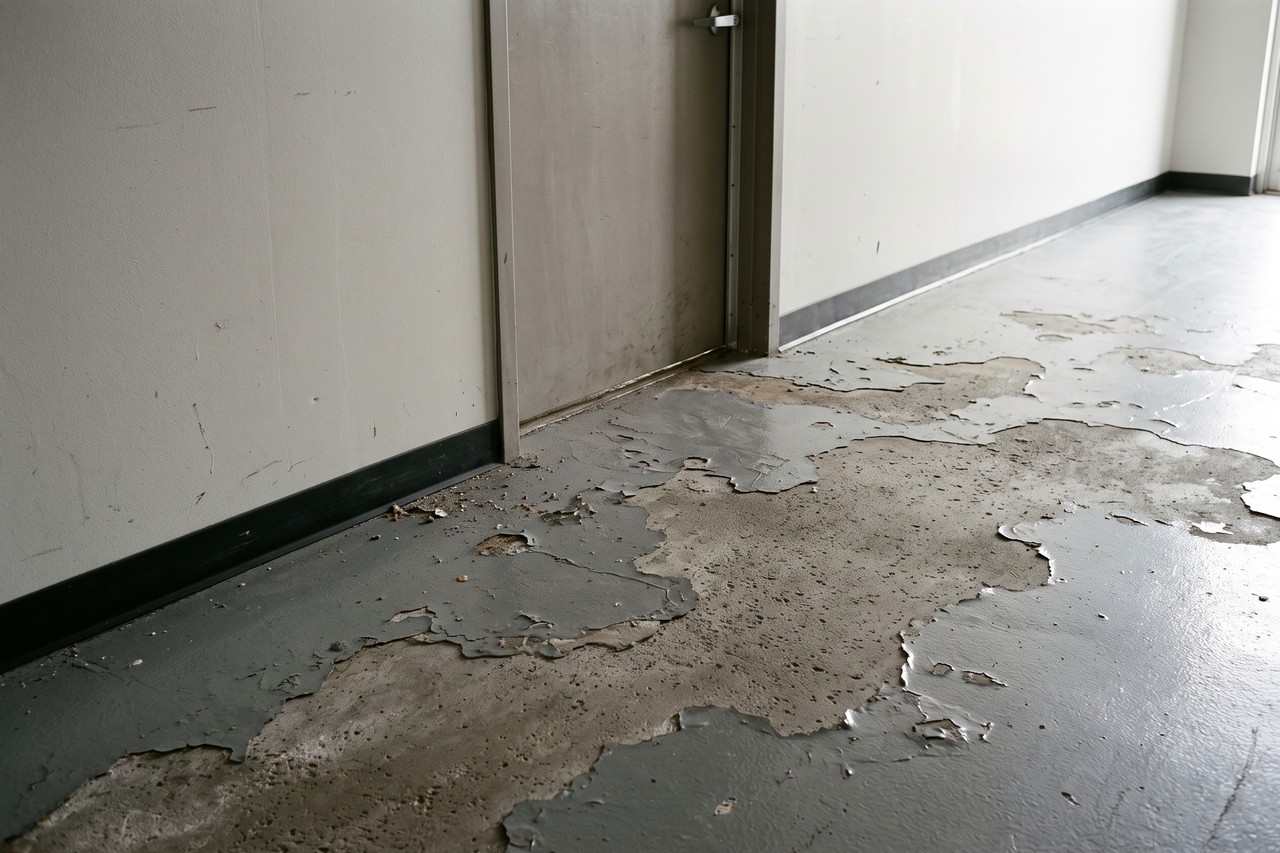
Picture a busy hallway or service area where the coating has begun peeling along its seams. What looks like a cosmetic flaw turns into a bigger issue. Raised edges become a tripping risk, and dirt packs into the gaps where a mop cannot get underneath.
Fixing that failure in an operating business costs more than materials and labor. The area has to be closed off, shelving or equipment has to be moved, the old coating has to be removed, the concrete has to be inspected and prepared, and a new system has to be applied, all at a moment the business did not plan for.
Selecting a coating suited to how the space is actually used, and putting real effort into concrete prep before application, is the best way to keep that scenario from happening.
A Floor That Makes Your Space Work Better
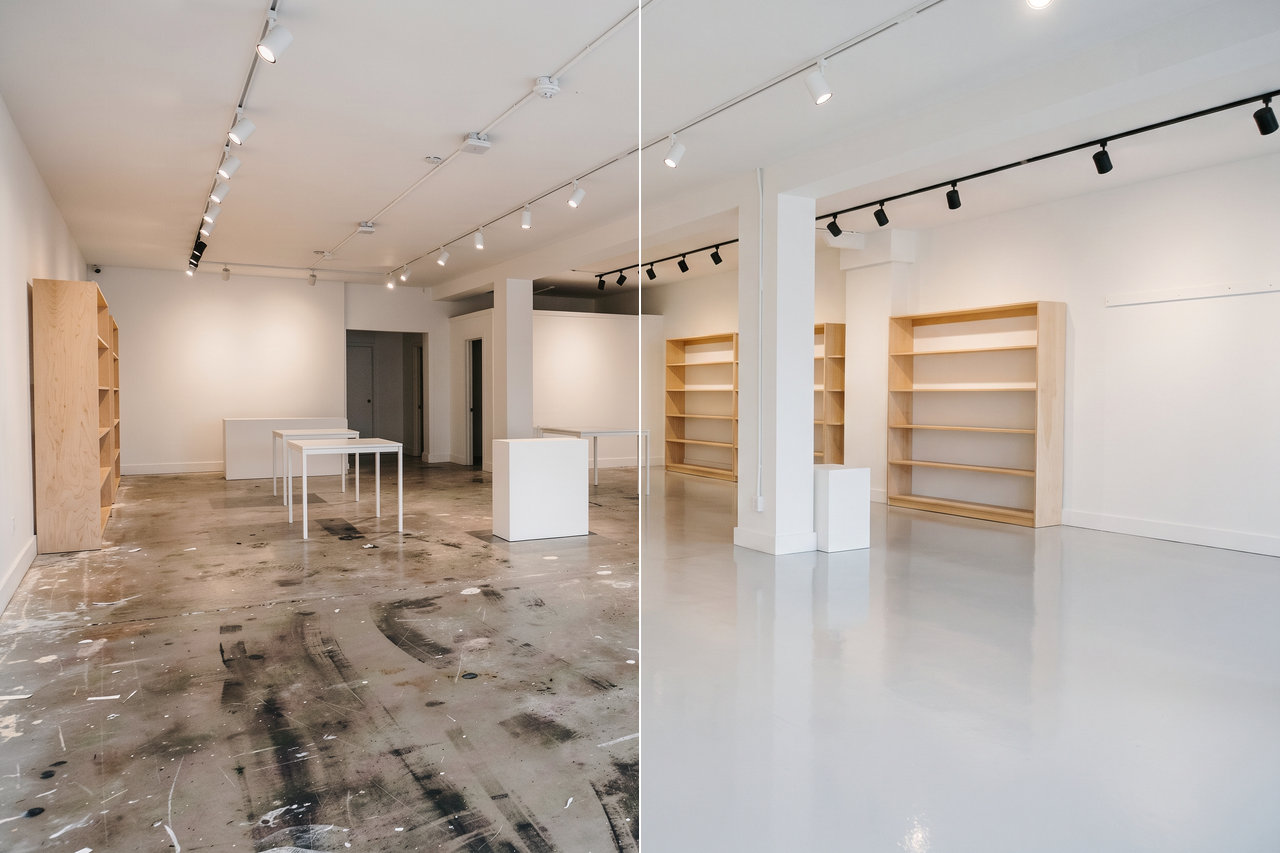
When the coating fits the conditions the floor really faces, everyday upkeep gets much easier. Spills stay on the sealed surface where they can be cleaned up before they soak in, with no special products needed. Routine sweeping and mopping cover most of the maintenance. A sealed floor also tolerates frequent cleaning much better than bare concrete under the same treatment.
The coated surface reflects overhead light better than raw slab, which can brighten work areas and aisles without touching the light fixtures. Aisle lines, color zones and wayfinding markings can be added, depending on what the system allows and what your installer recommends for the layout.
A coating chosen for its environment turns the floor from a constant maintenance headache into something that supports how the business runs.
What Does Commercial Epoxy Flooring Cost?
Cost comes down to the details of each project: the square footage, the state of the concrete, how much prep and crack repair are needed, which system suits the environment and the finish you select. Requirements for stronger chemical resistance, added slip resistance or specialty finishes increase both the prep and the materials involved.
Whether the work can be planned around business operations or split into sections depends on the project and the contractor, so it is worth raising early, while the estimate is still being shaped.
Common Commercial Flooring Questions
Will my business need to close while the floor is coated?
That depends on the facility and the scope of the work. In some layouts one area can be coated while the rest stays open, and in others the whole floor needs to be clear. Scheduling and phasing depend on the project and the contractor, and your installer can explain what is practical after reviewing the space.
How much maintenance does a coated commercial floor need?
Much less effort than bare concrete. Spills sit on top and can be cleaned with ordinary products before soaking in. Routine sweeping and mopping take care of most upkeep, and a sealed surface stands up to repeated cleaning far better than unprotected concrete used the same way.
Can an epoxy floor take heavy carts and equipment?
It depends on the product and on how hard your equipment works the floor. Some coatings are not designed for constant stress from loaded carts, powered floor machines or heavy mixed traffic. The flooring professional looks at the equipment, the loads and how often they cross the floor during the site visit before recommending a system.
How is the right coating chosen for a commercial floor?
It starts with understanding how the floor is used. The review covers traffic and load, the cleaners and chemicals that regularly touch the surface, how good the floor needs to look and any access considerations for the project. Those details guide the recommendation.