
Polyaspartic Floor Coatings
in Perryville, MO
A tough, sun-resistant finish for hardworking concrete, specified around the slab you actually have and the way you use the room.
Your Concrete Floor Shouldn't Be the Weak Point of Your Space
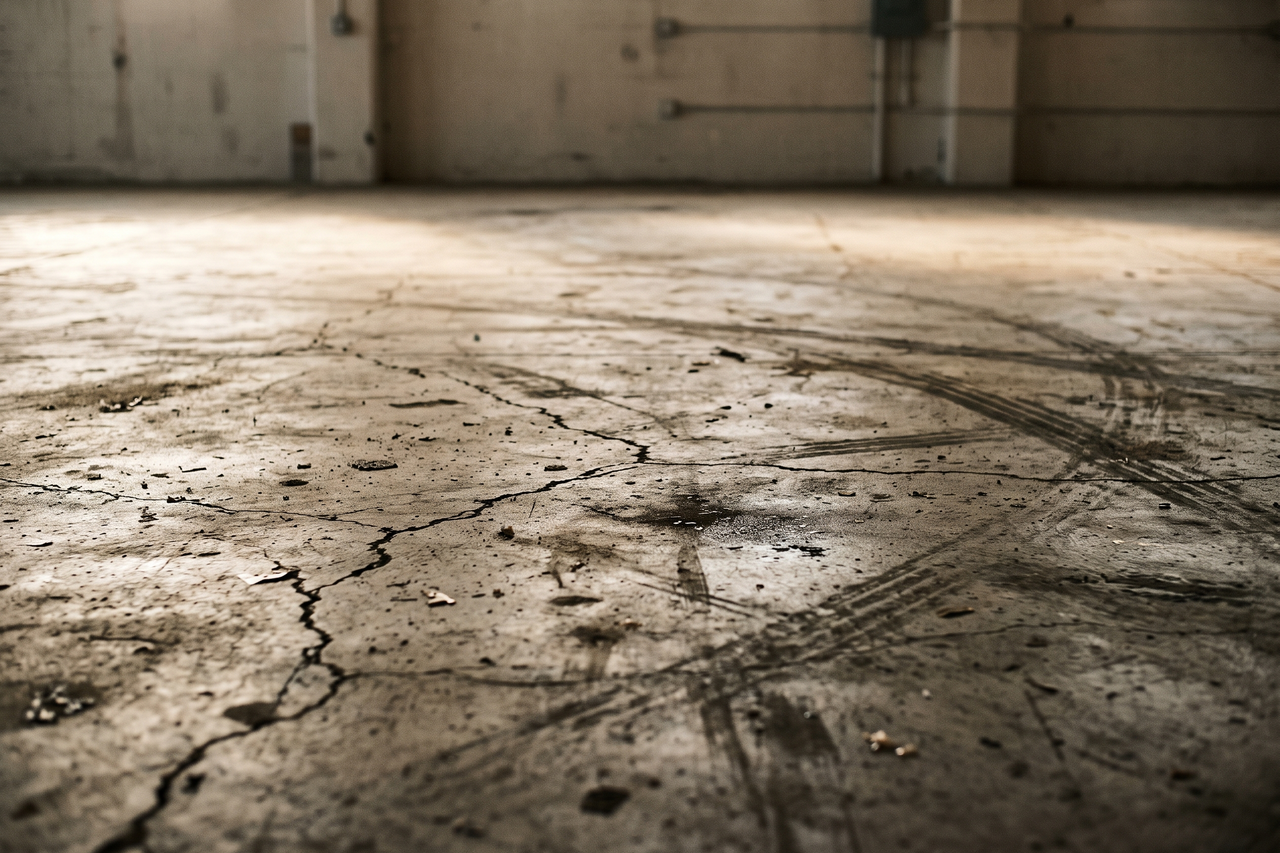
Bare concrete takes a beating that rarely gets noticed until it shows. Oil drips, road brine and cleaning products soak into the open pores, and every stain gets harder to lift the longer it sits. Tires, carts and boots grind the surface down a little at a time, while moisture moving up through the slab can set the stage for a coating that later lets go. Small blemishes have a habit of growing into repairs nobody budgeted for.
Not every coating handles those pressures the same way. Some epoxy products are sensitive to sunlight, and a floor near an open door or a bank of windows can drift toward an amber or chalky look that usually means recoating. Other products bring cure requirements that owners did not fully weigh when they made their pick.
Coating a working concrete floor is usually money well spent. The bigger decision is which system suits this slab and this use, because that pairing shapes how the surface behaves once real traffic arrives.
The Right Floor Coating Starts With How You Use the Space
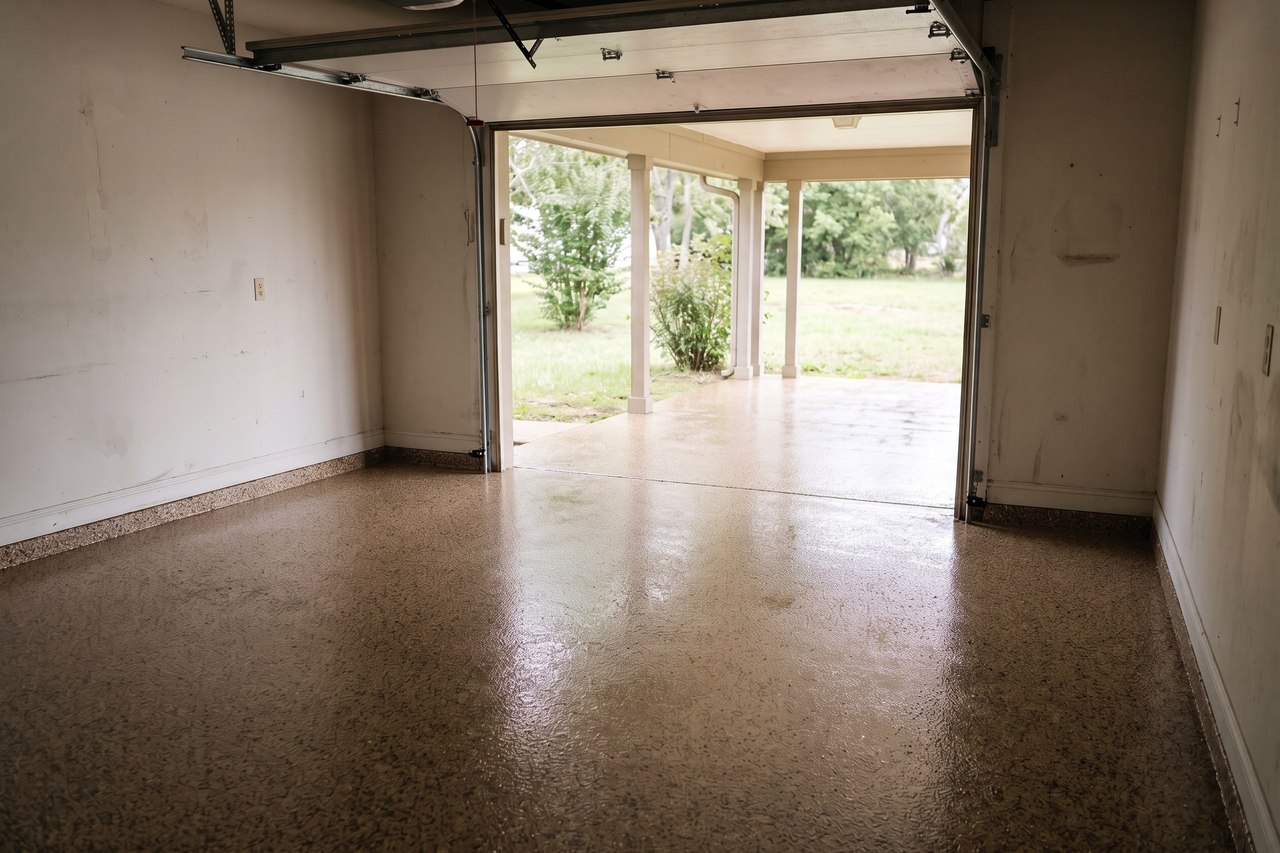
Polyaspartic stands out for two reasons: it resists ultraviolet light better than many conventional epoxies, and it shrugs off abrasion well. It also generally cures faster than many traditional epoxy systems, which can factor into how a project is planned. Those strengths pay off most on sun-washed floors, surfaces that get scrubbed often, and covered outdoor slabs exposed to the elements.
That does not make it the default choice. The slab’s past, its moisture readings, what the room is for and the budget all steer the recommendation. Some floors do best with an epoxy base coat under a polyaspartic topcoat, a combination that can outperform either material alone, and the right pairing only becomes clear after the concrete is assessed.
The most useful guidance comes from someone standing on the actual floor. If you would like some background first, the comparison guide below lays out how polyaspartic and epoxy differ in performance.
A Better Floor Is Easier Than You Think
Turning plain concrete into a protected, finished floor takes a few more decisions than most people expect, and each one is simpler with a plan.
01
Tell Us About Your Space
Share where the floor is, how it looks today, what happens on it, and what you care about most in the finished surface, whether that is sun resistance, appearance, grip or a mix of all three.
02
Choose the Right System
After the slab is inspected and moisture is measured, your installer weighs the demands of the space and recommends a direction: full polyaspartic, an epoxy base with a polyaspartic topcoat, or another system better suited to the concrete.
03
Transform Your Floor
With the system settled, the flooring professional handles preparation and application and reviews the plan with you beforehand, so each stage is understood before work begins.
Ready for a Floor Built to Perform?
Describe the floor and what you want the finished surface to do, and you can request a polyaspartic flooring estimate. A few photos of the concrete as it looks now make the scope easier to understand from the outset.
A Great Coating Can't Make Up for Poor Preparation
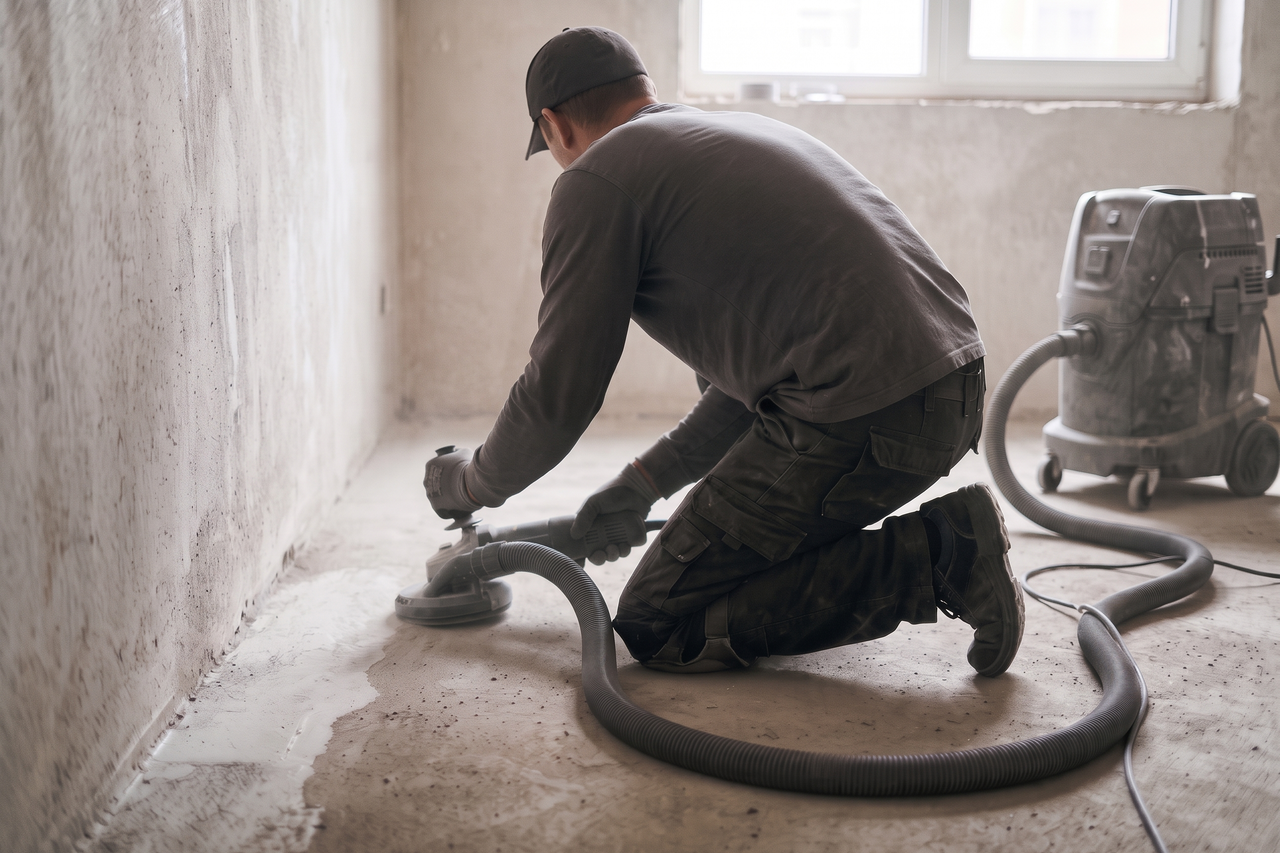
Polyaspartic performs at its best on concrete that was prepared properly. That means mechanical profiling, thorough cleaning and moisture testing; leave one out and the coating goes down on a surface that struggles to hold a dependable bond, so adhesion starts at a disadvantage.
Because polyaspartic generally cures faster than many traditional epoxy systems, there is less room to correct course once material is mixed and spreading has begun. The slab needs to be fully ready at the start, not mostly ready.
Grinding to a proper profile, repairing defects and checking moisture give the coating a sturdier base. When a coating lets go early, preparation is often part of the problem, alongside moisture in the slab, coating selection and installation conditions. Attending to all of them up front gives the system a better foundation for long-term performance.
A Floor That Looks Better and Works Harder
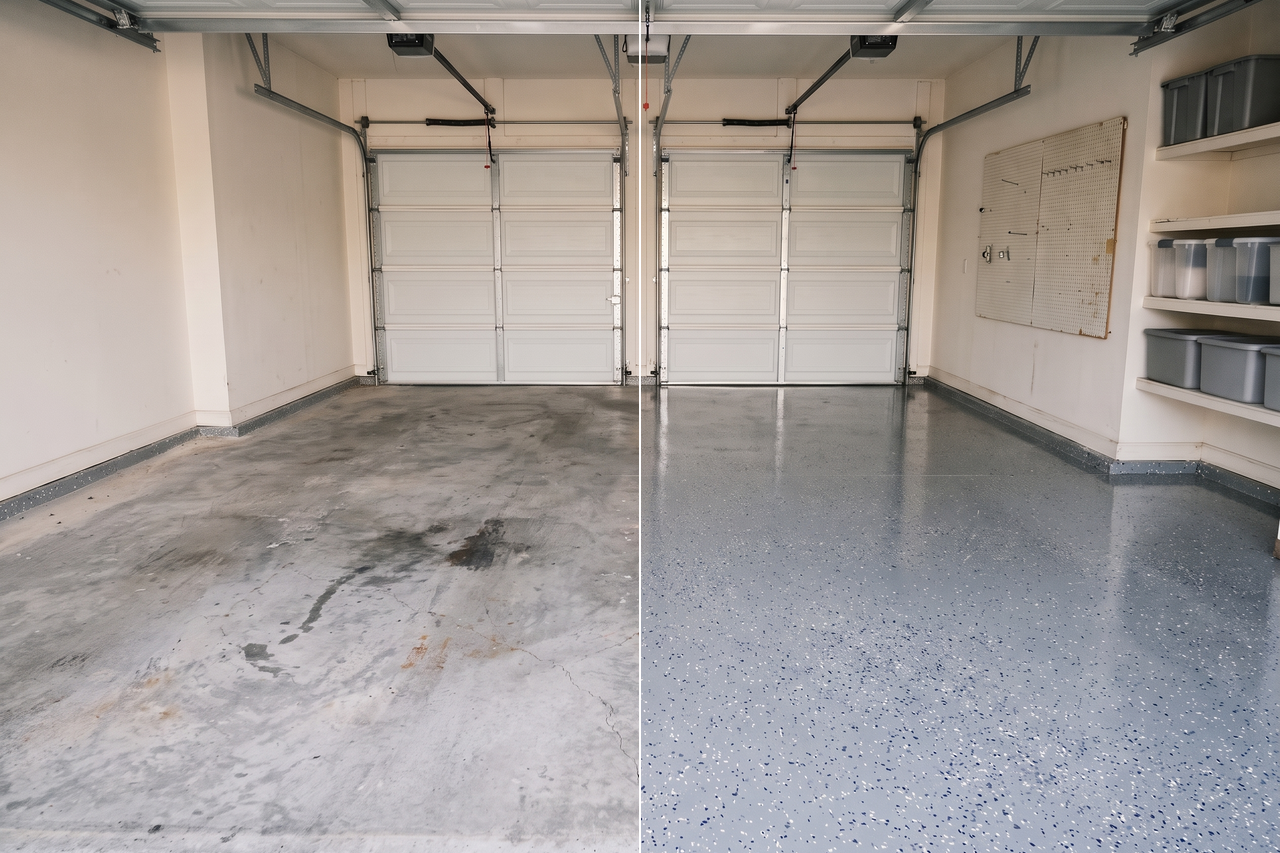
Once sealed with polyaspartic, the slab keeps spills and grime on top instead of drinking them in. Antifreeze, solvent splashes and mud carried in on tires wipe up far more easily from a coated surface than from raw concrete.
A flake broadcast adds color depth and a bit of texture that suits home garages as well as lighter commercial rooms. Where wet footing is a concern, your installer can add an anti-slip additive or choose a textured topcoat. The final specification follows the needs of the space and the installer’s professional judgment.
Because polyaspartic generally cures faster than many traditional epoxy systems, it is often considered where project scheduling is a concern. Scheduling depends on the project and the contractor, and your installer explains the timeline before work begins based on floor size, current condition, preparation scope and the system selected.
What Do Polyaspartic Floor Coatings Cost?
The price of a polyaspartic floor follows the condition of the slab and the preparation it needs, how many cracks or spalls require repair, whether the system is full polyaspartic or a polyaspartic topcoat over epoxy, the total square footage and the finish you choose.
Concrete differs so much from one floor to the next that a responsible number depends on seeing the slab. Pricing that reflects the real work comes from the flooring professional who has measured the space, checked its condition and understood the full scope.
Common Questions About Polyaspartic Floor Coatings
Is polyaspartic faster to cure than epoxy?
It generally cures faster than many traditional epoxy systems, which can matter when a project is being planned. How it progresses on a given floor depends on the product, the number of coats and the temperature and humidity at the site. Your installer explains what to expect before work begins.
Is polyaspartic the right choice for every concrete floor?
No single coating suits every slab. Polyaspartic offers stronger UV stability than many conventional epoxies and generally cures faster than many traditional epoxy systems, yet the right fit depends on concrete condition, use and budget. Standard epoxy builds solid thickness and serves well in many sheltered interior rooms. For floors facing more sun or wear, an epoxy base topped with polyaspartic is a frequent choice. The recommendation follows an assessment of the floor.
Why does sunlight play a role in coating selection?
Many conventional epoxies can shift color under steady sunlight, turning amber or faded in a way that usually calls for recoating. Polyaspartic resists that change better than many standard epoxy products, so it deserves a look for garages and rooms with strong direct or reflected light. Whether it matters on your floor depends on the product and the real light exposure, which is easier to judge in person.
Can polyaspartic be used on outdoor concrete?
Possibly, depending on an evaluation. Covered patios, carports and similar sheltered slabs can be reasonable candidates because of polyaspartic’s UV resistance and abrasion performance. Suitability depends on the slab’s condition, drainage, sun and weather exposure and the use the surface must support, so an on-site assessment comes first.
Does a glossy coated floor get slick when wet?
High-gloss surfaces can lose grip when wet. Flake broadcast adds texture that helps footing, and anti-slip additives or a textured topcoat can be specified where wet traction matters. It is worth discussing traction with your installer before the specification is finalized.